
- Home
- Industries
- Produce packing
Stainless Drains for Produce Packinghouses
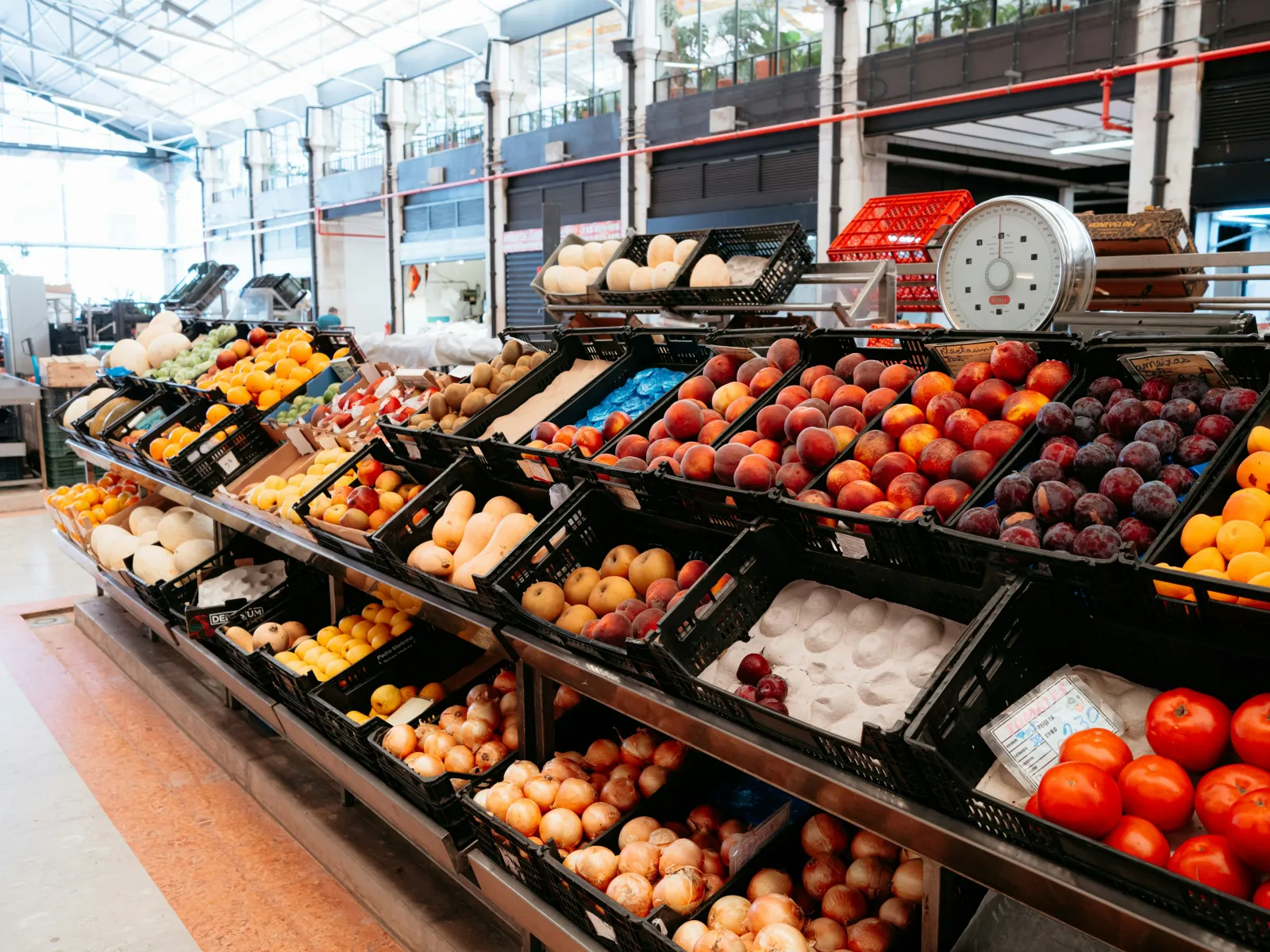
Produce comes in dirty and goes out clean. The water in between has to leave the floor.
21 CFR 112.126 and 21 CFR 117.37
304 where sanitation or wash chemistry demands it
Standing water and cooler condensate
The Short Version
Water enters at nearly every step: wash lines, hydrocoolers, ice, and cooler condensate. Soil and plant debris come in with it. FDA's Produce Safety Rule (21 CFR 112.126) and food cGMP rule (21 CFR 117.37) both require adequate drainage where water is released onto the floor.
Standing Water Is the Enemy
Extension guidance links pooled water to Listeria, E. coli, and Salmonella risk. FDA's 2011 cantaloupe Listeria investigation found a refrigeration drain line that let water collect beside conveyors, and 13 of 39 environmental samples tested positive. Drainage was one finding among several, but slope and condensate routing matter.
Handling Soil
University of Vermont Extension suggests roughly one floor drain per 600 square feet for smaller produce operations, sloped about ¼ inch per foot, with outlets at least 4 inches and trenches wide enough to clean out. Narrow plastic channels clog easily. Treat the numbers as a starting point.
Stainless: Fit and Limits
Stainless suits wash lines, packing floors, and cold rooms where sanitation is under scrutiny. It won't fix poor slope or a misplaced condensate line, and chlorine or peracetic-acid wash chemistry means grade, welds, and rinsing matter. Concrete trenches with steel grates are common and cheaper, so stainless makes most sense where sanitation or chemistry demands it.
Our drains come standard in T304, with 316L available, and meet USDA and CFIA sanitary standards.
304 or 316? Check your chemistry
Tick what reaches your drains. This is a starting point, not a specification.
316 resists chloride pitting better. No grade is immune: rinse with fresh water and avoid stagnant chemical. Your engineer or quality team confirms. Tell us your chemistry and we'll help.
PAA isn't harmless to stainless. A documented dairy case showed pitting at 304 welds where 0.5% PAA sat stagnant for weeks. Avoid stagnant chemical and check welds.
Rough drain estimate
Enter your packing floor area and the longest run water travels to a drain.
University of Vermont Extension starting point for smaller produce operations. Treat it as a starting point; your engineer sizes the system.
Full technical guide
How Harvest Facilities Differ
A packinghouse moves product through receiving, dumping, washing, cooling, packing, cold storage, and loading. Water enters at almost every step: wash lines, flumes, hydrocoolers, ice, and cooler condensate. Field soil and plant debris ride in with the product, so drains handle sediment as well as water.
What the Rules Say
FDA's Produce Safety Rule (21 CFR 112.126) requires adequate drainage in building areas where normal operations release water or liquid waste onto the floor. Facilities under FDA's preventive controls rule face nearly identical language in 21 CFR 117.37. Which rule applies depends on how FDA classifies your operation. The Produce Safety Rule also governs post-harvest water: no detectable generic E. coli in 100 mL of wash water, set change schedules for recirculated water, and visual monitoring for soil and plant-debris buildup.
Standing Water Is the Real Enemy
University extension guidance identifies pooled water as a major source of Listeria, E. coli, and Salmonella in packing areas. It recommends smooth concrete floors sloped about 1/4 inch per foot toward drains.
FDA's investigation of a 2011 cantaloupe Listeria outbreak shows the stakes. A refrigeration drain line was positioned so water collected on the packing floor beside conveyors, and FDA said that pooling may have helped spread contamination. Of 39 environmental samples, 13 were positive, with hits on equipment, floors, standing water, and drains. Floors beneath some equipment were hard to clean. Drainage was one finding among several, including equipment that could not be cleaned effectively.
Soil and Sediment
UVM Extension's guidance for produce operations offers practical starting points. It suggests about one floor drain per 600 square feet, adjusted for layout and water volume, with trench bottoms sloped near 1/4 inch per foot. It recommends outlets at least 4 inches in diameter, a standpipe that keeps sediment from flowing straight out, and trenches wide enough to shovel out. It warns that narrow preformed plastic channels clog easily. That guidance was written for smaller operations, but the principles scale: design for the sediment you actually carry.
Wash Water Puts Chemistry on the Floor
Wash-water treatments, commonly chlorine- or peracetic-acid-based, send oxidizers and chlorides to your drains. Material grade, concentration, pH, and contact time all matter, so tell us what your wash line uses.
Where Stainless Steel Fits
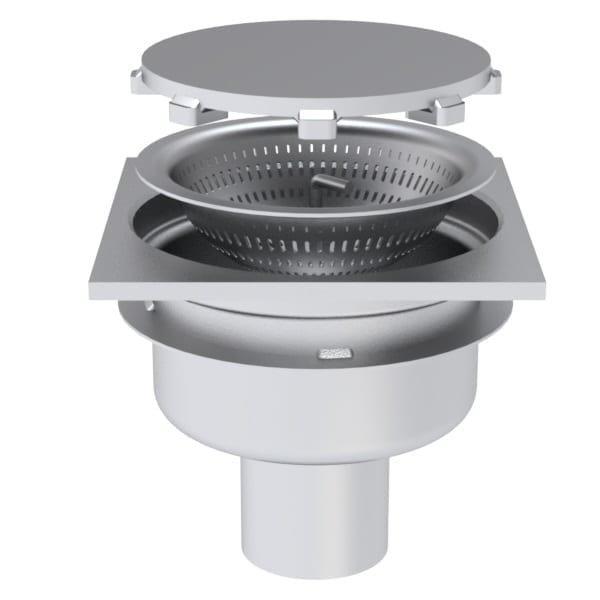
Stainless steel suits wash lines, packing floors, hydrocooler areas, and cold rooms where sanitation is under scrutiny. It is smooth and non-porous, tolerates repeated washdown, and does not rust or degrade the way many alternatives do. Removable grates and baskets let crews pull debris out before it reaches the pipe.
Where It Has Limits
Stainless steel cannot fix pooling caused by poor slope or a misplaced condensate line. Chemistry and workmanship matter too. A documented dairy investigation found pitting at 304 stainless welds where 0.5 percent peracetic acid at pH 4.4 sat stagnant for weeks, made worse by poor welding. That was a piping coil, not a drain, but the lesson holds: avoid stagnant chemical, verify weld quality, and match grade to chemistry.
Cost matters as well. Concrete trenches with steel grates are common on produce operations and can be easier to dig out when soil loads are heavy. Stainless makes the most sense where sanitation requirements, wash chemistry, or inspection pressure are highest.
Specification checklist
Tick what your project needs. We'll add your list to the quote request so we can answer the right questions.
Common questions
How many drains do we need?
Extension guidance offers about one per 600 square feet as a starting point. Your layout and water volume decide.
Is stainless worth it in a packing shed?
It depends on sanitation demands, chemistry, and budget. We will help you weigh it.
Where should cooler condensate go?
To a drain, not onto the floor beside equipment.
Sources and references
- 21 CFR Part 112, Produce Safety Rule
- 21 CFR 117.37, sanitary facilities (food cGMP)
- FDA 2011 cantaloupe Listeria outbreak environmental assessment
- University of Vermont and Rutgers/UMN Extension produce guidance
Regulations and standards change, and requirements vary by jurisdiction. Confirm current requirements with your engineer, regulator, and quality team.
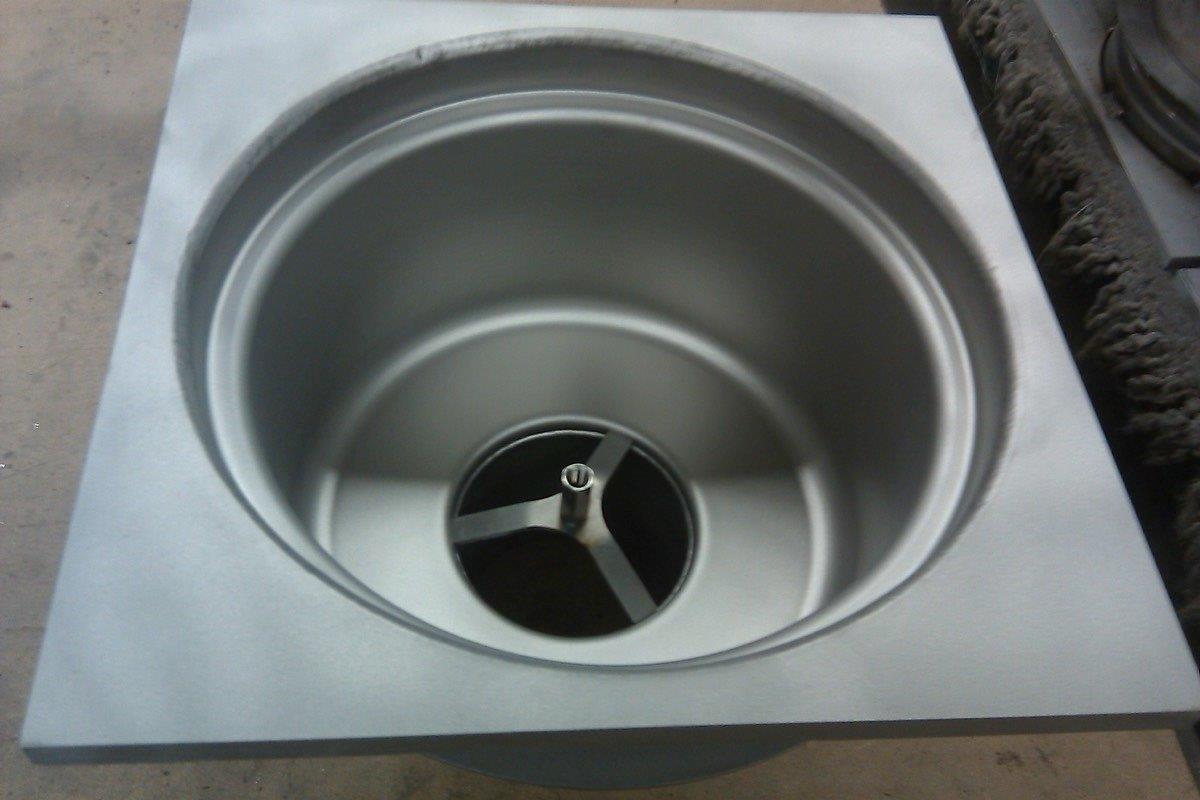
Drains often specified for produce packing

Plan Your Packinghouse Drainage
Tell us your product, wash method, and floor layout.