
- Home
- Trench Drains
- Slot Drain System
Stainless steel slot drain system
Stainless slot drains that meet USDA standards: pre-sloped, easy to clean and built to last. As a rule of thumb, slot drainage should flow quickly from high-risk areas toward low-risk areas — left unmanaged, microbes become serious food safety hazards.
From $118 per foot · final price depends on size and options
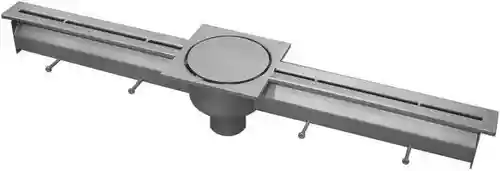
Sanitary, food-safe trench designs


Easy to install. Easy to maintain. Efficient, effective — and budget friendly.
Standard construction
- Material
- 12 GA stainless steel
- Outlet
- 2" · 3" · 4" · 6" — Sch 10 (std) or Sch 40
- Anchors
- Concrete anchors each side to embed in concrete
- Slope
- 1/8" – 1/4" per foot, built into the body
- Sump
- 12 GA with basket — center, end or multiple locations
- Leveling
- Leveling brackets optional
Flexible designs
Layouts can be arranged to suit your equipment lines: intersecting linear runs with 90° angles, angled sections, or multiple pathways converging at a single drainage point. The design possibilities are virtually limitless.
With more than 30 years as a fabricator of stainless steel drains for food processing, we understand the sanitation demands of any production operation. Our slot drain system is ideal for the beverage industry and can be retrofitted into existing winery or brewery floors that need better drainage. Custom fabricated to your specifications, slot drains are easy to install and deliver immediate, measurable results.
Why are slot drains so popular?
Hassle-free system designs
Tired of cleaning grates in your trench drains? Our slot drain system eliminates grates completely. That reduces the likelihood of accidents and the regular cleaning burden, making a safer workplace for your employees — and you avoid the expensive repairs that come with damaged grates.
Invest in high-quality stainless steel slot drains for better safety and lower maintenance costs. Prefer grates? View open trench & bar grate systems.
Plan a slot drain layout.
Send your floor plan and equipment lines — we'll recommend runs, slopes and sump locations.