
- Home
- Industries
- Dairy
Stainless Drains for Dairy Plants
Milk is mostly water, and so is the cleanup. Your drains handle both.

PMO for Grade A plants; 21 CFR 117.37 for most other dairy
304 for general areas; 316 where brine is regular
Chloride pitting above about 80 ppm
Dairy products reach children and families every day, which is why sanitation rules for milk plants are strict. A drain that empties completely and never holds standing water is one small part of protecting that product.
The Short Version
Grade A plants follow the Pasteurized Milk Ordinance (PMO): smooth, sloped, impervious floors with trapped drains, sealed joints, and no pooling after flushing. Some areas, like cold storage and dry storage, are exempt from drains. Other dairy products usually fall under FDA's food cGMP rule (21 CFR 117.37), which also requires adequate drainage. Your regulator confirms which applies.
Watch the Chlorides
A sanitation-chemical supplier's bulletin warns about chloride pitting in dairy stainless. Sources are plant water (some groundwater runs high), salt brine, and chlorinated cleaners. It advises extra care above about 80 ppm chloride, especially with acid sanitizers, heat, and standing time. Pipes and tanks are often 304, and 316 resists chlorides better, which matters for cheese brine. Rinse with fresh water after brine and before acid.
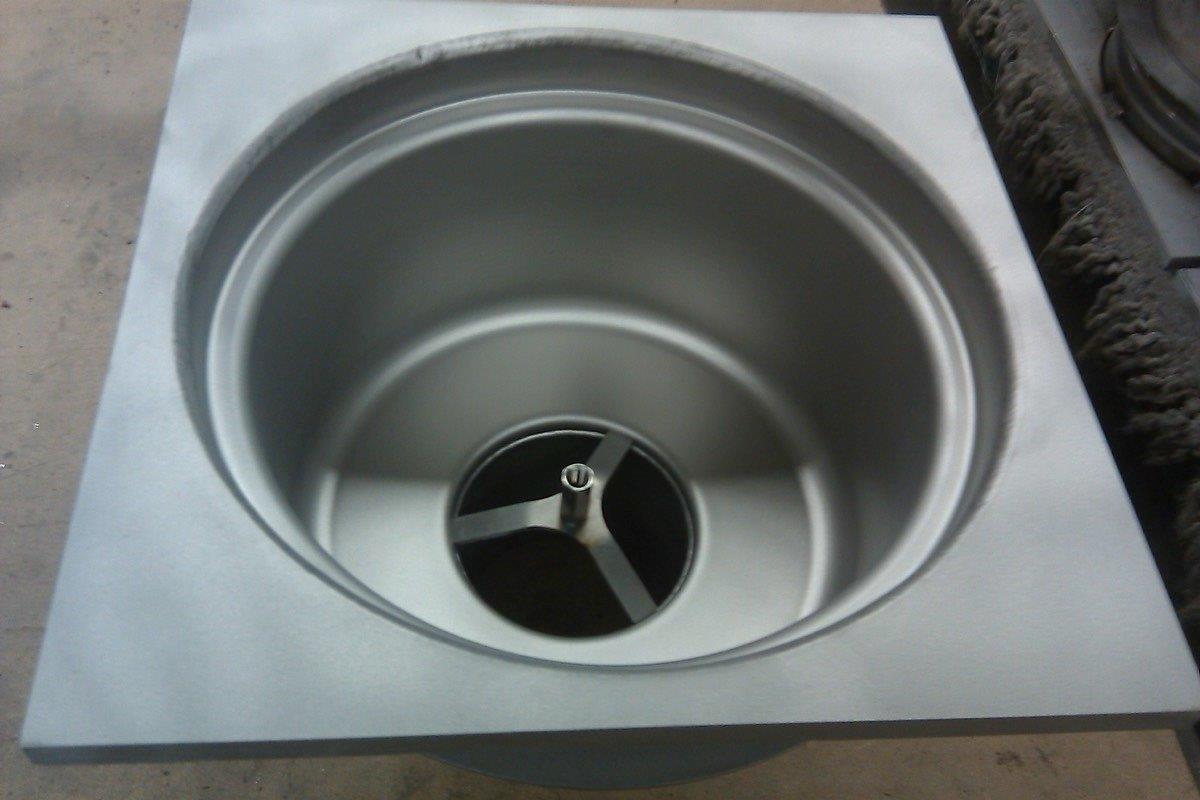
Our drains come standard in T304, with 316L available, and meet USDA and CFIA sanitary standards.
Stainless: Fit and Limits
Stainless is smooth and non-porous and handles hot water and repeated chemical cleaning. It won't fix bad slope or a cracked floor joint. A documented dairy case showed pitting at 304 welds where 0.5% PAA sat stagnant for weeks (piping, not a drain). The lesson: avoid stagnant chemical and check weld quality.
Slot or trench? One drain supplier says slot drains are easier to keep hygienic. Trenches with baskets still suit heavy volume and solids. Either way, pick smooth interiors and accessible cleanouts.
304 or 316? Check your chemistry
Tick what reaches your drains. This is a starting point, not a specification.
316 resists chloride pitting better. No grade is immune: rinse with fresh water and avoid stagnant chemical. Your engineer or quality team confirms. Tell us your chemistry and we'll help.
Warm chlorides can still pit 316, especially under gaskets, at welds, and anywhere brine sits.
Full technical guide
What the Rules Say
Grade A plants follow the Pasteurized Milk Ordinance (PMO). Its floor provision calls for floors in rooms handling milk or milk products, or washing containers and equipment, to be concrete or an equally impervious, easily cleanable material. They must be smooth, properly sloped, and provided with trapped drains, with impervious floor-to-wall joints. Floors must not pool water after flushing. The PMO exempts some areas from drains, such as milk cold-storage rooms with floors that slope to an exit, and dry-ingredient storage. It also applies these floor provisions to receiving stations, transfer stations, and milk tank truck cleaning facilities.
Manufactured dairy products outside Grade A, such as many cheeses, typically fall under FDA's food cGMP rule, where 21 CFR 117.37 requires adequate floor drainage in areas subject to flooding-type cleaning. Your state regulator and quality team decide which applies to you.
What Goes Down a Dairy Drain
Product spills, rinse water, whey, and caustic and acid cleaning solutions. Dairy plants use large volumes of hot water and aggressive cleaning agents, and industry sources note that acidic byproducts such as whey call for corrosion-resistant materials. Cheese plants add salt brine. Because plants clean heavily and frequently, drains should drain completely and open easily for inspection.
Chloride: The Quiet Risk
Chloride pitting is a well-documented problem on dairy stainless steel. A sanitation-chemical supplier's technical bulletin lists the sources: plant water (some groundwater is naturally high), salt brines, and chlorinated cleaners. It advises special precautions when water exceeds about 80 ppm chloride, and it ties pitting to acidic conditions, higher temperature, and time. Acid sanitizer sitting in lines with high-chloride water is especially risky, and chlorinated cleaner must never be mixed with acid. It also notes that pipes and tanks are often 304 and that moving to 316 or higher alloys improves chloride resistance, particularly for cheese brine. The same logic applies to drains that see brine, brine rinse, or hot acid wash.
Where Stainless Steel Fits
Stainless steel suits dairy receiving, processing, filling, and cheese-making areas, where it provides a smooth, non-porous surface that tolerates hot water and repeated chemical cleaning. Type 304 serves many general areas. Where brine or chloride exposure is regular, 316 offers better resistance to pitting and crevice corrosion.
Slot or Trench?
A drain vendor executive quoted in Dairy Processing magazine says slot drains tend to be more hygienic because they have fewer hard-to-clean areas, while trench drains with catch basins remain common where volume or solids demand it. Treat that as one supplier's view. The right choice depends on your flow, solids, and cleaning method. Either way, favor smooth interiors, sloped bottoms, and accessible cleanouts.
Where Stainless Has Limits
Stainless steel does not cure a poorly sloped floor or a cracked floor-to-drain joint. A documented dairy investigation found pitting at 304 stainless welds where 0.5 percent peracetic acid at pH 4.4 sat stagnant for weeks, made worse by poor welding. That failure involved piping, not a drain, but the lesson applies: avoid stagnant chemical, verify weld quality, and flush brine before acid. Rinse drains with fresh water after brine or acid contact.
Specification checklist
Tick what your project needs. We'll add your list to the quote request so we can answer the right questions.
Common questions
Do all dairy plants need floor drains?
No. The PMO exempts some storage areas. Your regulator confirms what applies.
Is 304 enough?
Often for general areas. Brine, high-chloride water, and acid sanitizers push toward 316 or an engineer's review.
Does stainless steel stop Listeria?
No. It supports cleaning. Sanitation and monitoring do the work.
Sources and references
- Pasteurized Milk Ordinance (PMO), Grade A plant floor provisions
- 21 CFR 117.37, sanitary facilities (food cGMP)
- Hydrite technical bulletin on chloride pitting in dairy stainless
- Dairy Processing magazine, plant drainage article
Regulations and standards change, and requirements vary by jurisdiction. Confirm current requirements with your engineer, regulator, and quality team.
Drains often specified for dairy


Talk to a Drain Specialist
Tell us your products, cleaning chemistry, and water quality.