
- Home
- Industries
- Meat processing
Stainless Drains for Beef and Pork Plants
Washdown, fat, and inspections. Here's what your drains need to handle.
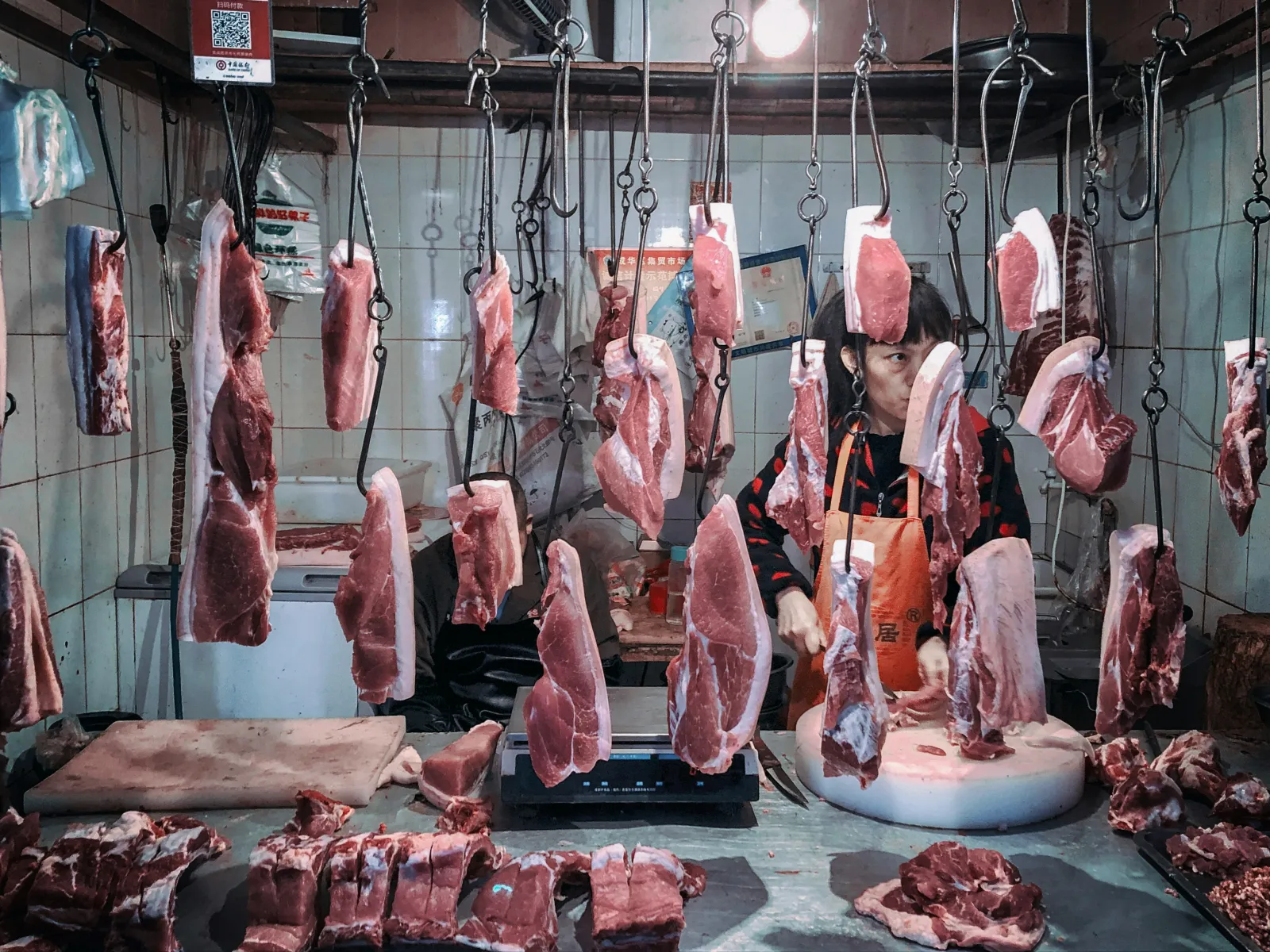
9 CFR 416.2 (USDA FSIS sanitation)
304 or 316, set by brines and sanitizers
Blood, fat, and trim clogging drains
The Short Version
USDA rules (9 CFR 416.2) require adequate floor drainage wherever floors get flooded during cleaning. "Adequate" is something you have to show, and inspectors judge it. Drains also get attention as possible Listeria harborage spots, so they need to slope, open fully, and clean easily.
What Matters Most
- Solids: Blood, fat, and trim clog drains. Use removable baskets at the source.
- Cleanability: Smooth interiors, sealed floor joints, no ponding.
- Load rating: Match it to your carts and forklifts.
- Capacity: Size for peak washdown, not an average day.
Stainless: Where It Helps, Where It Doesn't
Stainless is smooth, non-porous, and handles hot water and frequent washdown. Types 304 and 316 are the usual picks, and 316 resists chloride pitting better, which matters with brines and chlorine sanitizers. No grade is immune, though. Warm chlorides can still cause pitting, and poor welds are weak spots. Stainless helps your sanitation program. It doesn't replace it.
Our drains come standard in T304, with 316L available, and meet USDA and CFIA sanitary standards.
304 or 316? Check your chemistry
Tick what reaches your drains. This is a starting point, not a specification.
316 resists chloride pitting better. No grade is immune: rinse with fresh water and avoid stagnant chemical. Your engineer or quality team confirms. Tell us your chemistry and we'll help.
Warm chlorides can still pit 316, especially under gaskets, at welds, and anywhere brine sits.
Full technical guide
What the Rules Say
USDA FSIS sanitation regulations (9 CFR 416.2) require adequate floor drainage wherever floors face flooding-type cleaning or where normal operations release water or liquid waste. State inspection programs add detail. For example, one state's meat inspection guide calls for well-drained floors without cracks or depressions that hold liquid, and for coved floor-to-wall junctions. "Adequate" is yours to demonstrate, and inspectors and auditors judge the result.
Why Drains Draw Attention
USDA training material lists drains among possible Listeria harborage areas and notes that moisture supports growth and spread. Food-safety specialists also warn that spray aimed at a drain can atomize drain water into the air. A drain for this industry should be sloped to, open, and reachable for cleaning, and the floor around it should stay sealed and as dry as operations allow.
The Load Your Drains Carry
Meat plant wastewater carries blood, fat, trim, and offal, plus fats, oils, and grease (FOG). Fats and heavy soils clog drains, and small inedible pieces add to the problem. Industry sources also report that staff overloading drains with product is a common failure, sometimes breaking the p-trap. Plan for solids capture at the point of use, such as removable baskets, and for capacity at peak flow.
Where Stainless Steel Fits
Stainless steel offers a smooth, non-porous surface, tolerates hot water and repeated washdown cycles, and resists the corrosion that damages coated or cast alternatives. Types 304 and 316 are the grades most often specified for wetted components. Type 316 contains molybdenum, which improves resistance to pitting and crevice corrosion where chlorides are present. Chlorides come from salt, cure brines, and chlorine-based sanitizers.
Where It Has Limits
No stainless grade is immune. Warm chloride solutions can cause pitting, crevice corrosion, and stress cracking in both 304 and 316, and crevices under gaskets, baskets, and seals are common starting points. Weld quality matters as well. Rinse chemical residue and avoid stagnant pooling. Stainless steel supports a sanitation program. It does not replace one.
Choosing a Drain Type
Food plants typically use four drain styles: trench, slot, area (floor) drains, and floor sinks. One design engineer notes that trench use has declined in recent years and that a wide opening can develop gaps at the edge of the concrete, where bacteria can hide. Slot drains have a slim opening, no grate, and floors that slope in one direction. Trenches still suit large volumes and long runs. Area drains and floor sinks serve equipment and localized discharge.
Cleaning Drains
A food-safety consultant quoted in Food Engineering recommends dedicated drain cleaning during the first rinse so drain water does not contaminate other surfaces. The same source suggests sanitizing wet drains daily and deep cleaning weekly. Drains that open fully and drain completely make that routine realistic.
Specification checklist
Tick what your project needs. We'll add your list to the quote request so we can answer the right questions.
Great service. We needed 2 replacement drains overnight. I ordered at noon and they were at the plant site by 9:00 am the next morning.
Common questions
Does stainless steel eliminate Listeria risk?
No. It supports cleaning. Your sanitation program, drain-cleaning method, and environmental monitoring do the work.
Should we choose 304 or 316?
It depends on your sanitizer chemistry, brines, and wash temperatures. Send us those details and we will help you decide.
What documentation do we need?
Requirements vary by inspection program and customer. Ask your quality team what they require, and we will tell you what we can supply.
304 or 316?
It depends on your brines, sanitizers, and wash temperatures. Tell us and we'll help you decide.
Sources and references
- 9 CFR 416.2, sanitation performance standards
- USDA FSIS Listeria environmental sampling training material
- Food Engineering, "Proper Floor and Drain Design Combat Food Safety Challenges"
Regulations and standards change, and requirements vary by jurisdiction. Confirm current requirements with your engineer, regulator, and quality team.
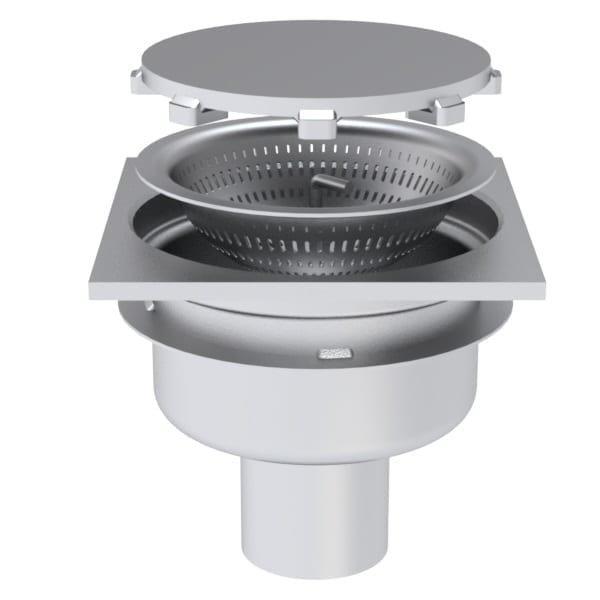
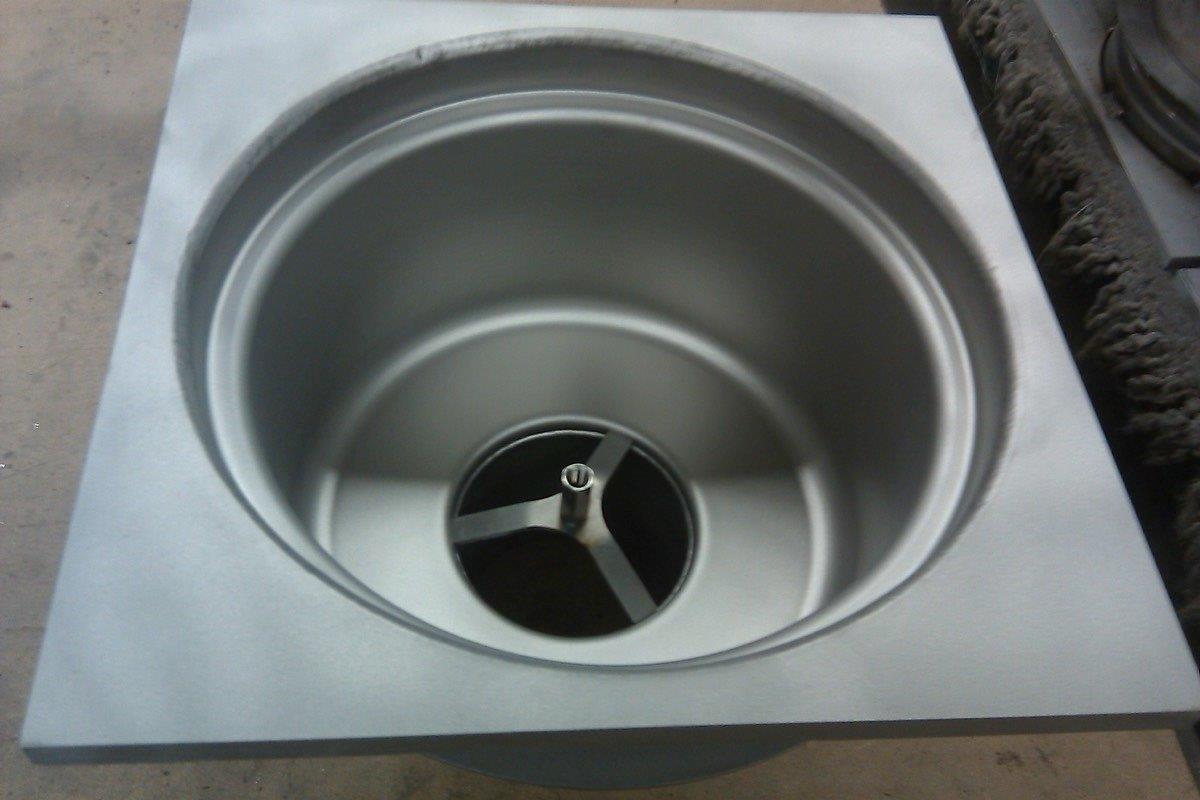
Drains often specified for meat processing

Specify With Confidence
Tell us about your plant, your washdown, and your inspection program.